Quick answer: IP54 means dust protected and protected against splashing water. It is not waterproof. It does not permit immersion, it does not permit crossing deep water, and it does not permit cleaning with a high-pressure washer. Those four sentences are the whole practical content of the rating for a rider — the rest of this article explains why, so you can apply it to situations the rating does not spell out.
The Kunray MY1030 family carries a recorded IP54 rating, with one explicit boundary attached: no immersion, no pressure washing.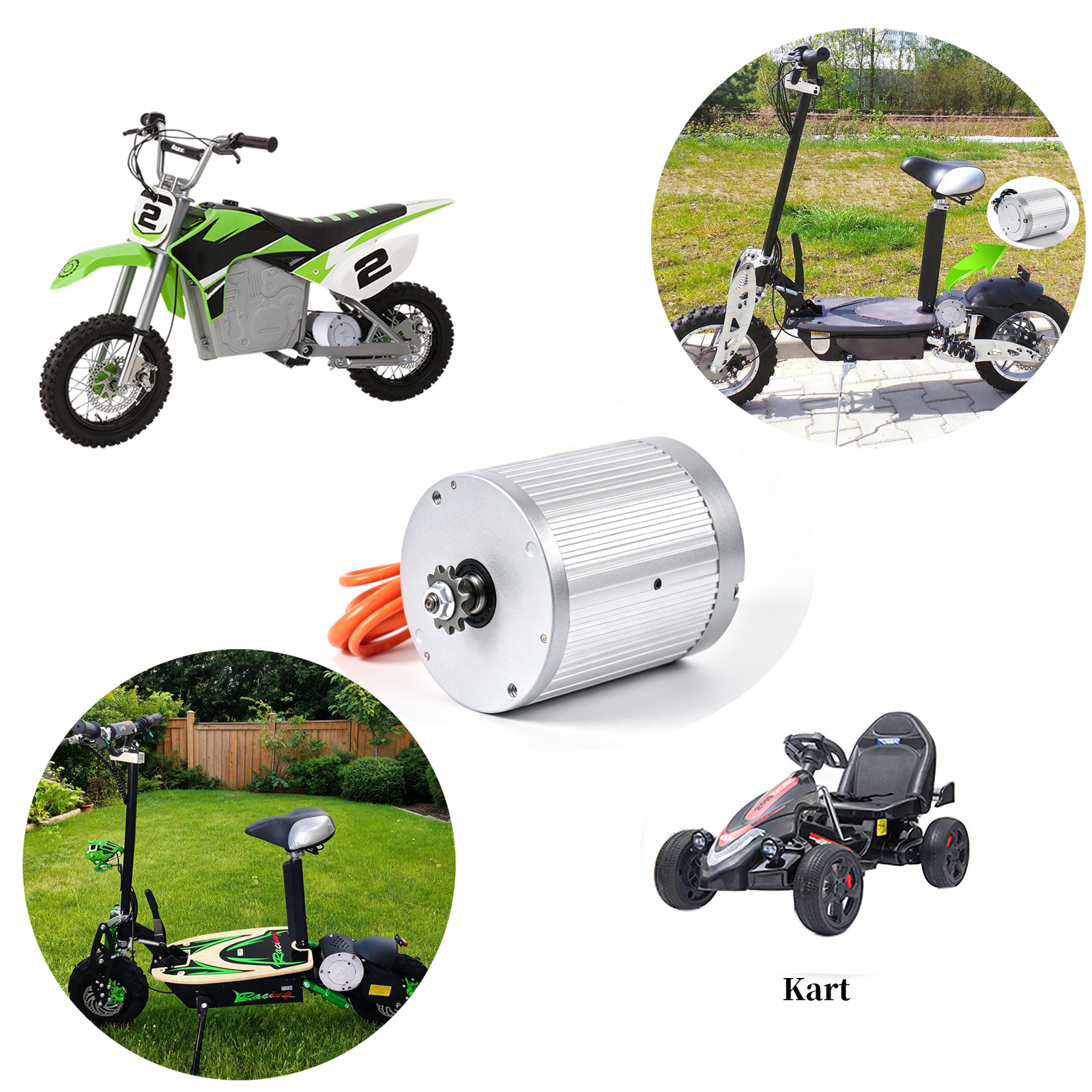
An IP code is two digits. The first describes protection against solid objects and dust. The second describes protection against water.
So IP54 sits at a specific place on both scales, and it is worth being precise about where:
The IP code system is an international classification for ingress protection — the digits describe tested levels against solids and liquids. The level describes the protection the motor is built to; what matters in practice is the boundary it draws for riding, washing and storage.
Here is the thing that makes motor IP ratings genuinely interesting, and it is rarely explained:
A motor has to get heat out, and heat leaves through the same surfaces that let water in.
The MY1030 is an air-cooled motor with an all-aluminium housing that has integrated cooling fins. Air cooling means the housing is not a hermetically sealed can — it is a structure designed to move heat from the windings to the surrounding air through the housing wall and fins. That design intent is why the practical installation rule exists: the mounting position must keep air moving around the housing, and the housing must not be fully wrapped or enclosed.
So when you read "IP54", you are reading the result of a deliberate balance: enough sealing to survive dust and splash, and enough thermal path to get rid of heat without liquid cooling. You cannot improve one side of that balance without paying on the other. That reframes what you should protect:
Splash protection plus airflow is the design point. Work with it rather than against it.
In real riding terms, the rating is doing useful work in these situations:
Notice where the line falls: splash is covered, pressure and volume are not. A pressure washer is the single most common way people destroy a splash-rated motor, because the water arrives with both volume and force — and it gets pushed past seals that would have shrugged off rain.
One more boundary that matters commercially rather than physically: the rating applies to the motor. It does not extend to your connectors, controller, battery, display, or the joints between them. A perfectly rated motor connected through an unsealed connector is a wet system with one dry component in it.
The output shaft also carries an upgraded seal structure. Worth knowing about, and worth not over-reading: that does not raise the motor's overall IP rating. A better shaft seal is a better shaft seal. It is not a new IP class.
Since cleaning is where most damage happens, here is the practical version:
| Mistake | What actually happens |
|---|---|
| Reading IP54 as "waterproof" | The single most expensive misreading. Splash-rated is not immersion-rated. |
| Pressure washing after a muddy ride | Water gets driven past seals. This is the classic way to end a motor's life early. |
| Riding through deep water | Not covered at all. No part of the "4" digit applies here. |
| Wrapping the motor to keep water out | You have traded a splash risk for a thermal one. The housing needs airflow. |
| Assuming the whole electrical system is IP54 | The rating covers the motor. Connectors, controller and display have their own situation. |
| Never inspecting after water exposure | Corrosion at connectors and seal surfaces is a slow failure. It is visible long before it is fatal. |
| Concluding from a good day in the rain that it is waterproof | Surviving splash does not tell you anything about immersion. Those are different tests at different levels. |

Is the MY1030 waterproof? No. The recorded rating is IP54 — dust protected and splash resistant. It must not be immersed, and it must not be cleaned with a high-pressure washer. "Waterproof" is a word that should not be applied to it.
Can I ride in the rain? Splashing water from any direction is what the "4" digit covers, so rain while riding sits inside the rated condition. What you must not do is treat a successful wet ride as evidence of immersion protection — those are different tests at different levels.
Can I hose it down after a muddy ride? At domestic hose pressure and from a distance, that is splash-range water. Do not use a pressure washer, keep the stream away from seals, bearing areas and connectors, and check the connectors afterwards. Let the motor cool first.
Can I cross a stream or a deep puddle? No. Immersion is outside the rating entirely.
What about the output shaft seal? The output shaft carries an upgraded seal structure. It does not change the motor's overall IP rating, and it should not be described as making the motor waterproof.
Does IP54 mean the controller and connectors are protected too? No. The rating applies to the motor. Connectors, controller, battery and display each have their own ingress situation, and an unsealed connector undermines a well-sealed motor.
If I wrap the motor for extra protection, is that safer? It is a trade, and usually a bad one. The housing is designed for natural air cooling and needs airflow around it. Enclosing it trades a splash risk for a thermal one, and heat causes more slow failures than splash does.


